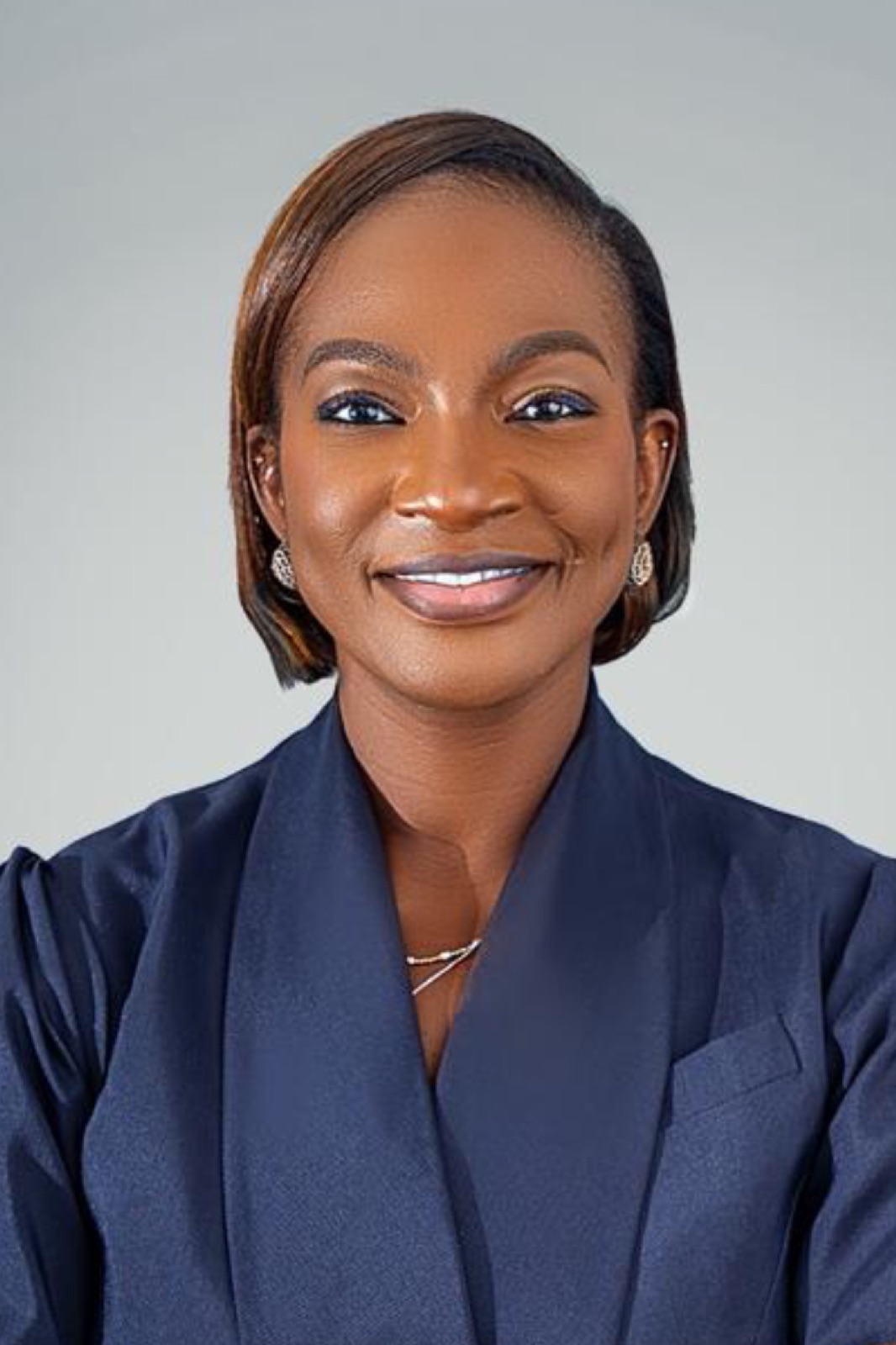
Clara B. Arthur is chief executive of Ghana Interbank Payment and Settlement Systems, the Bank of Ghana's payments company. She took up the post on 1 September 2025, after Archie Hesse retired. She was not hired to found a startup. She was appointed to the next chapter of a national system that already moves the country's money. The Governor, Johnson Pandit Asiama, chairs the board she reports to. Between them, policy and the switch are not allowed to become two unrelated speeches.
She was at GhIPSS before, from 2015 to 2019, on the work that became GhIPSS Instant Pay, the gh-link card scheme and mobile-money interoperability. She has also led digital work at Fidelity Bank and at Ecobank's technology company, and advised CGAP and the UN Capital Development Fund. The reason she is widely recognised among Africa's women in fintech is that she built the national rail, not that she founded an app. That distinction is the one this Summit should keep. A demo can be admired in an afternoon. A switch has to clear on a Friday before a holiday, for people who will never know her name.
A national switch, in her argument, should be shared infrastructure, not a private toll. Banks and mobile-money wallets have to meet on a rail the public can understand. Inclusion is a design of the system, measured in who can send money this afternoon, not in a paragraph of a strategy. GhanaPay, GIP and gh-link are the proper nouns. What interoperability still fails to do is the interesting half of the session, because a country that congratulates itself on interoperability while a particular wallet, a particular bank or a particular town remains stranded has stopped too early.
She is the necessary concrete under several more famous sessions. When Wamkele Mene talks about a payment that should not leave the continent, and when Mike Ogbalu talks about PAPSS, someone in the host country has to be able to say how a cedi payment already moves and where it still sticks. When Selorm Adadevoh talks about the phone network becoming the payments network, she is the person on the other side of that interface. The public rail and the telco wallet have to meet somewhere. GhIPSS is that somewhere.
Her session is the machine under the speech. She is invited. The programme will not call her confirmed until she is.